

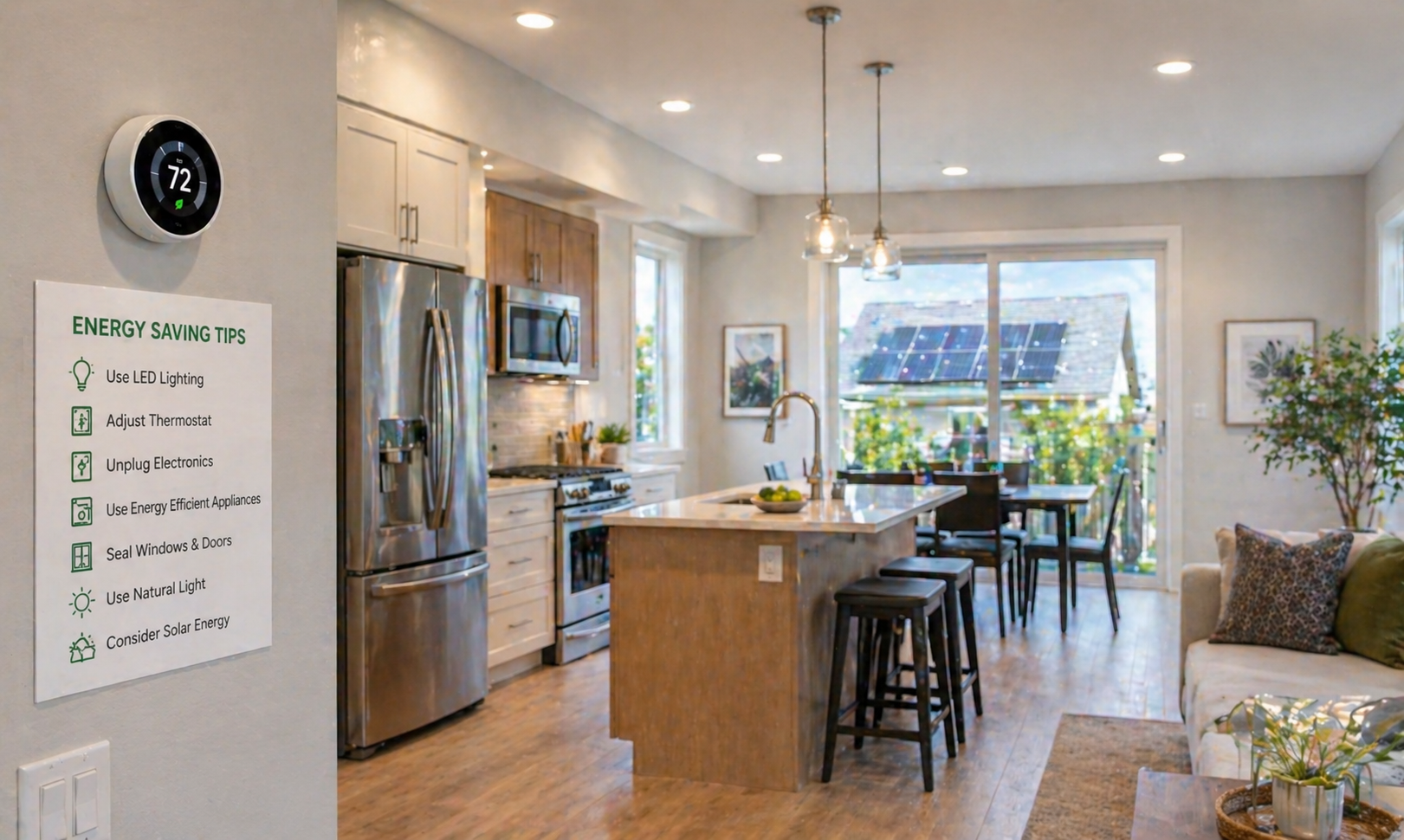
Energy costs continue rising across the USA, UK, and Canada, pushing homeowners to find practical ways to reduce consumption without sacrificing comfort. Modern homes offer tremendous potential for energy efficiency through smart technology, improved insulation, and behavioral changes that collectively slash utility bills. These energy saving tips for modern homes focus on accessible solutions that deliver measurable results regardless of whether you own a newly built property or an older home upgraded with contemporary systems. The beauty of modern energy efficiency lies in its dual benefit of reducing environmental impact while putting money back in your pocket monthly. Unlike previous generations who had limited options, today’s homeowners access affordable technologies and proven strategies that dramatically cut energy waste. From intelligent thermostats that learn your preferences to LED lighting that uses a fraction of traditional bulb energy, modern solutions make conservation easier than ever. This comprehensive guide walks you through practical changes you can implement immediately alongside longer-term investments that pay for themselves through reduced utility costs.
Smart Thermostat Installation as Essential Energy Saving Tips for Modern Homes
Smart thermostats represent one of the most effective energy saving tips for modern homes because they optimize heating and cooling automatically. These devices learn your schedule and preferences, adjusting temperatures when you sleep or leave home without requiring manual intervention. Studies across North America and the UK show smart thermostats reduce heating and cooling costs by fifteen to twenty-three percent annually, with payback periods typically under two years based on average energy prices.
Installation requires basic DIY skills for most homes, though professional help ensures proper setup if you feel uncomfortable working with wiring. Once configured, these thermostats connect to your smartphone, allowing remote temperature adjustments from anywhere. This proves invaluable when travel plans change or unexpected weather requires heating or cooling adjustments before you arrive home. The learning algorithms track when you typically adjust temperatures and begin making those changes automatically after a few weeks of use.
Geofencing features detect when your phone leaves or approaches home, triggering temperature adjustments accordingly. This eliminates wasted energy heating or cooling empty houses while ensuring comfort when you arrive. Many models provide detailed energy reports showing exactly how much you consume daily, weekly, and monthly. These insights reveal patterns you might never notice otherwise, empowering informed decisions about energy use. Some utilities offer rebates for smart thermostat installation, reducing upfront costs significantly. Check with your energy provider before purchasing to maximize savings through available incentive programs.
The key to maximizing smart thermostat benefits involves proper programming and trusting the automation. Many people override automatic adjustments too frequently, negating the efficiency gains these devices provide. Set comfortable temperature ranges and let the system optimize within those parameters. During winter in Canada and the UK, programming nighttime temperatures five to eight degrees lower than daytime settings reduces heating costs substantially without affecting sleep comfort under proper bedding.
LED Lighting Upgrades for Immediate Energy Reduction
Switching to LED lighting delivers immediate results among energy saving tips for modern homes because LEDs use seventy-five to eighty percent less electricity than incandescent bulbs while lasting twenty-five times longer. A typical home with thirty light fixtures can save over two hundred dollars annually by converting entirely to LED technology. The upfront investment returns within the first year through reduced electricity costs and eliminated bulb replacement expenses.
Modern LED bulbs overcome the harsh, cold light that plagued early versions. Today’s options offer warm white, soft white, daylight, and specialized colour temperatures matching any preference or room function. Dimmable LEDs work with existing dimmer switches, though some older dimmers require updating for optimal performance. Smart LED bulbs integrate with home automation systems, allowing voice control, scheduling, and remote operation through smartphone apps.
Focus first on lights used most frequently like kitchen, living room, and bathroom fixtures where usage exceeds three hours daily. These locations deliver the fastest return on LED investment. Recessed lighting conversions often require only screwing LED bulbs into existing sockets, making this the easiest upgrade possible. For fixtures using specialized bulbs, verify LED equivalents exist before purchasing to avoid compatibility issues.
Consider motion-sensor LED bulbs for garages, basements, closets, and outdoor areas where lights frequently get left on accidentally. These automatically illuminate when detecting movement and shut off after preset periods of inactivity. Outdoor LED floodlights with photocells and motion sensors provide security lighting only when needed, eliminating the waste of all-night operation. Many homeowners discover they forgot to turn off basement or garage lights for days, wasting electricity that motion sensors prevent completely.
LED strip lighting under cabinets provides task lighting in kitchens and bathrooms using minimal energy while eliminating shadows that overhead fixtures cast. These inexpensive additions improve functionality and ambiance simultaneously. When selecting LEDs, check lumens rather than watts to determine brightness since LED wattage correlates poorly with light output compared to traditional bulbs. A sixty-watt incandescent equivalent typically requires only eight to twelve LED watts producing eight hundred lumens.
Insulation Improvements Among Top Energy Saving Tips for Modern Homes
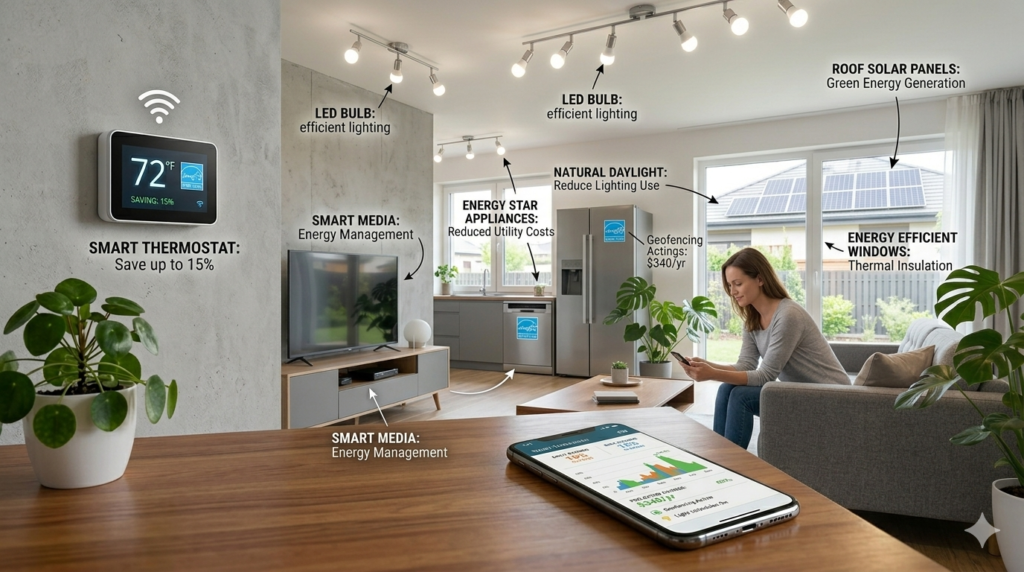
Proper insulation ranks among the most cost-effective energy saving tips for modern homes, yet many properties remain under-insulated even when recently built. Heat escapes through inadequately insulated attics, walls, and basements, forcing heating and cooling systems to work harder and consume more energy. Upgrading attic insulation delivers the highest return because heat rises and escapes primarily through roof areas in winter while radiating downward from hot attics during summer.
Most building codes in the USA, UK, and Canada now require higher insulation values than standards from even ten years ago. Checking your attic insulation depth determines whether upgrades make financial sense. Insulation settling over time reduces effectiveness, so attic spaces that appear adequately insulated might benefit from additional layers. The recommended attic insulation depth varies by climate zone, ranging from ten to fourteen inches for fibreglass batts or higher R-values for blown cellulose or spray foam.
Adding insulation represents a manageable DIY project for homeowners comfortable working in attics, though professional installation ensures proper coverage without gaps. Avoid compressing insulation when adding new layers, as this reduces R-value effectiveness significantly. Ensure adequate attic ventilation remains after adding insulation to prevent moisture accumulation that damages roof structures and reduces insulation performance. Proper ventilation includes soffit vents at roof edges and ridge or gable vents at peaks, creating airflow that removes moisture and heat.
Basement and crawl space insulation prevents significant heat loss in northern climates where frozen ground conducts warmth from living spaces. Insulating basement walls rather than ceilings keeps the entire basement warmer, preventing frozen pipes while making finished basement spaces more comfortable. Spray foam insulation seals air leaks simultaneously while insulating, making it ideal for rim joists where foundations meet floor framing. These areas leak tremendous amounts of air in older homes, and sealing them improves comfort noticeably.
Wall insulation upgrades prove more disruptive but deliver substantial benefits in older homes built before modern standards. Blown-in insulation installed through small exterior holes fills wall cavities without removing drywall or siding. Professional contractors complete this work in one day for most homes, and the energy savings typically recover costs within five to seven years depending on local energy prices and climate severity.
Window Treatments and Upgrades for Temperature Control
Windows represent significant energy loss points in homes, conducting heat outward during winter and allowing solar heat inward during summer. Modern energy saving tips for modern homes include both window upgrades and strategic treatments that minimize these losses. If complete window replacement exceeds your budget, several less expensive options improve efficiency substantially while you save for eventual upgrades.
Cellular or honeycomb shades trap air in their chambers, creating insulating barriers between windows and interior spaces. These treatments reduce heat loss by up to forty percent on single-pane windows and twenty percent on double-pane units when properly installed and closed during temperature extremes. Top-down, bottom-up versions allow natural light while maintaining privacy and insulation. Insulated curtains with thermal backing provide similar benefits at lower costs, particularly effective when closing them at night during winter months.
Window films reject solar heat during summer while allowing visible light transmission, reducing cooling costs in southern climates and on west-facing windows everywhere. These thin polyester sheets apply directly to glass and block up to seventy percent of solar heat without obscuring views. Some varieties also provide UV protection that prevents furniture and flooring from fading. Installation requires careful application to avoid bubbles, though most homeowners handle this DIY project successfully with patience.
For homes where window replacement makes financial sense, modern double or triple-pane units with low-emissivity coatings and argon gas fills reduce heat transfer dramatically compared to older single-pane windows. Energy Star certified windows deliver different performance levels optimized for northern, central, or southern climate zones. Choosing windows designed for your specific climate maximizes efficiency gains. Many utilities and government programs offer rebates for energy-efficient window installation, reducing net costs considerably.
Storm windows installed over existing units provide an affordable middle ground between treatments and full replacement. Exterior storm windows protect primary windows from weather while creating dead air space that improves insulation. Interior storm windows accomplish similar results while being easier to install and maintain. These prove particularly cost-effective in historic homes where preserving original windows matters but improving efficiency remains important.
Appliance Efficiency Standards and Selection
Modern appliances consume far less energy than models from even a decade ago, making strategic replacement one of the smartest energy saving tips for modern homes when older units fail. Energy Star certification indicates appliances meet strict efficiency standards set by environmental agencies in the USA, UK, and Canada. These certified models use ten to fifty percent less energy than standard versions depending on appliance type, translating to substantial savings over typical ten to twenty-year lifespans.
Refrigerators represent the largest continuous energy consumers in most homes, running twenty-four hours daily year-round. Replacing a refrigerator older than ten years with an Energy Star model typically saves one hundred to two hundred dollars annually in electricity costs. When shopping for refrigerators, note that top-freezer configurations use less energy than side-by-side or bottom-freezer models of comparable size. Through-door ice and water dispensers add convenience but increase energy consumption ten to twenty percent.
Washing machines have improved dramatically in efficiency, with front-loading and high-efficiency top-loading models using sixty-five percent less water and energy than traditional agitator machines. These savings multiply when you factor in reduced water heating costs since most energy used by washing machines goes toward heating water rather than running motors. Cold water washing with modern detergents cleans effectively while eliminating heating energy entirely for most loads.
Dishwashers certified as Energy Star use approximately thirty percent less water than hand washing while consuming less energy through improved spray patterns and efficient heating elements. Contrary to popular belief, modern dishwashers clean more effectively than hand washing when properly loaded, and they use significantly less hot water. Scraping dishes rather than pre-rinsing before loading reduces both water and energy waste substantially.
When replacing any appliance, properly recycling old units ensures refrigerants and other materials get handled safely while sometimes qualifying you for utility rebates. Many electric companies offer removal services and rebates for old refrigerators and freezers, making disposal free while putting money toward replacement costs. Size appliances appropriately for your actual needs rather than buying oversized models that waste energy, particularly for refrigerators and water heaters where excess capacity runs continuously.
Water Heating Efficiency Improvements
Water heating typically accounts for fifteen to twenty-five percent of home energy costs, making it a prime target for efficiency improvements. Several energy saving tips for modern homes focus on reducing water heating expenses through equipment upgrades and behavioral changes. Lowering water heater temperature from the common 140 degrees Fahrenheit to 120 degrees saves energy while preventing scalding risks, particularly important in homes with children or elderly residents.
Insulating older water heaters with specially designed blankets reduces standby heat loss significantly. Modern units often include adequate factory insulation, but tanks manufactured before 2004 benefit tremendously from added insulation. These kits cost under thirty dollars and install in less than an hour, paying for themselves within one year through reduced energy consumption. Also insulate the first six feet of hot water pipes leaving the heater to maintain water temperature longer and reduce energy waste.
Tankless or on-demand water heaters heat water only when needed rather than maintaining a full tank at temperature continuously. These units reduce water heating energy consumption by twenty to thirty percent in most homes, with greater savings for households using less than forty gallons daily. Installation costs exceed traditional tank heaters significantly, but longer lifespans and energy savings often justify the premium over time. Tankless heaters work best when sized correctly and when installation includes proper venting and gas line sizing for gas models.
Heat pump water heaters extract warmth from surrounding air to heat water, using sixty to seventy percent less electricity than conventional electric resistance models. These work best in warm climates or when installed in spaces like basements that have excess heat year-round. In cold spaces, they can reduce ambient temperature noticeably, which might benefit cooling costs in summer but increase heating costs in winter. Tax credits and utility rebates often apply to heat pump water heater installations, improving financial viability.
Low-flow showerheads and faucet aerators reduce hot water consumption without noticeably affecting pressure when you select quality models. These inexpensive devices install in minutes and save substantial energy by decreasing the volume of water requiring heating. A family of four typically saves several hundred dollars annually through low-flow fixtures alone. Fix leaking faucets promptly since a hot water drip wastes both water and the energy used to heat it, with costs accumulating significantly over time.
Air Sealing to Prevent Energy Loss
Air leaks waste tremendous energy by allowing conditioned air to escape while drawing in outside air that requires heating or cooling. Comprehensive air sealing ranks among the most cost-effective energy saving tips for modern homes because materials cost little while delivering immediate comfort improvements alongside energy savings. Common leak locations include windows and doors, electrical outlets and switches on exterior walls, recessed lighting fixtures, attic hatches, basement rim joists, and penetrations where pipes or wires enter the home.
Weatherstripping around doors and windows prevents drafts and reduces energy loss substantially. Modern weatherstripping materials last many years and cost just dollars per door or window. Ensure weatherstripping compresses fully when doors and windows close but does not prevent proper latching. Replace worn weatherstripping immediately as its effectiveness diminishes rapidly once gaps develop. Door sweeps prevent air infiltration under exterior doors, with adjustable versions accommodating uneven thresholds.
Caulking seals stationary gaps around window frames, door frames, and any penetrations through exterior walls. Use paintable acrylic latex caulk for most applications, choosing products rated for exterior use that handle temperature variations without cracking. Silicone caulk works better in high-moisture areas like bathrooms and kitchens. Remove old, failed caulk before applying new material to ensure proper adhesion and longevity. Well-applied caulk lasts five to ten years before requiring replacement.
Spray foam fills larger gaps around pipes, wires, and irregularly shaped penetrations that caulk cannot seal effectively. Use minimal expanding foam to avoid damaging framing or creating bulges in finished surfaces. Foam gaskets behind electrical outlets and switch plates on exterior walls prevent air infiltration through these numerous small openings. These inexpensive foam rectangles install in seconds when changing outlet covers and collectively prevent significant air leakage.
Professional blower door testing identifies leak locations precisely by depressurizing homes and using infrared cameras to visualize air infiltration. Many utilities offer subsidized or free energy audits including blower door testing, providing prioritized recommendations for improving your specific home’s efficiency. These audits often identify issues homeowners never notice, making them valuable investments in comprehensive efficiency improvements.
Renewable Energy Integration for Long-Term Savings
Solar panels represent the ultimate energy saving tips for modern homes by generating electricity that offsets grid consumption. Costs have dropped dramatically over the past decade while efficiency has improved, making solar financially viable across most regions of the USA, UK, and Canada. Federal tax credits, state and provincial incentives, and utility rebates reduce net installation costs by thirty to fifty percent in many areas, shortening payback periods substantially.
Solar viability depends heavily on local electricity rates, available sunlight, roof orientation and shading, and applicable incentive programs. South-facing roofs with minimal shading perform best in the northern hemisphere, though east and west orientations also work reasonably well with slightly reduced output. Professional solar assessments determine whether your specific property suits solar installation and project expected energy production accurately. Most residential systems pay for themselves in seven to twelve years through eliminated electricity costs, then provide free power for decades afterward.
Battery storage systems paired with solar panels provide backup power during outages while maximizing self-consumption of generated electricity. These systems capture excess solar production during sunny periods and release it during evening hours or cloudy days when panels produce less power. Battery costs have decreased significantly though they still represent substantial investments. Tax incentives increasingly apply to battery storage, improving financial justification for including them in solar installations.
Small-scale wind turbines suit properties with consistent winds and adequate space away from neighbors. These work best in rural areas where zoning permits them and wind speeds average at least ten miles per hour annually. Urban and suburban locations rarely provide suitable conditions for residential wind power. Geothermal heat pumps use stable underground temperatures to heat and cool homes with remarkable efficiency, reducing heating and cooling costs by forty to seventy percent compared to conventional systems.
While geothermal installation costs far exceed traditional HVAC systems, operating costs drop so dramatically that payback occurs within ten to fifteen years in most climates. Federal tax credits reduce upfront costs substantially. These systems work anywhere in the USA, UK, and Canada regardless of climate, though they require adequate land area for horizontal ground loops or drilling capability for vertical installations. Combining multiple renewable technologies creates homes approaching net-zero energy consumption, producing as much power as they consume annually.
Behavioral Changes Maximizing Energy Efficiency
Technology and upgrades deliver substantial savings, but behavioral changes cost nothing while complementing equipment improvements perfectly. These simple energy saving tips for modern homes require only awareness and consistent application to reduce consumption noticeably. Turning off lights when leaving rooms seems obvious yet makes real differences when practiced consistently. Installing timers or occupancy sensors automates this behavior in frequently forgotten areas.
Unplugging devices when not in use eliminates phantom loads where electronics consume power even when turned off. Televisions, computers, phone chargers, and many appliances draw standby power continuously unless physically disconnected. Smart power strips cut power automatically to accessories when you turn off primary devices, so printers and speakers stop drawing current when computers shut down. These phantom loads collectively cost the average household one hundred dollars annually, making elimination worthwhile through automatic solutions.
Running full loads in dishwashers and washing machines maximizes efficiency since these appliances use similar energy and water for partial loads. Wait until you accumulate full loads rather than running small batches frequently. Air drying dishes instead of using dishwasher heating cycles saves energy without affecting cleanliness. Using cold water for laundry whenever possible eliminates ninety percent of washing machine energy consumption since heating water accounts for most usage.
Adjusting thermostats seasonally and using programmable features reduces heating and cooling waste tremendously. During winter, setting temperatures to sixty-eight degrees Fahrenheit while home and sixty-two overnight balances comfort with efficiency. Summer cooling performs well at seventy-eight degrees, higher than many people traditionally choose but comfortable with proper clothing and ceiling fan assistance. Each degree of adjustment saves approximately three percent on heating or cooling costs annually.
Closing doors and vents in unused rooms prevents conditioning spaces you do not occupy. However, closing too many vents can create pressure imbalances that reduce overall system efficiency, so consult HVAC professionals before closing more than twenty percent of vents. Using window treatments strategically keeps warmth in during winter nights and blocks solar heat during summer days. Opening south-facing curtains on sunny winter days captures free solar heating, while closing them on summer afternoons prevents unwanted heat gain.
FAQs
What are the most cost-effective energy saving tips for modern homes?
LED lighting conversion, smart thermostat installation, and air sealing deliver the fastest payback periods, typically under two years. These improvements require modest upfront investment while generating immediate, measurable savings on utility bills.
How much can I realistically save with energy saving tips for modern homes?
Most homeowners reduce energy costs by twenty to forty percent through comprehensive efficiency improvements. Actual savings depend on current consumption levels, local energy prices, and which specific upgrades you implement throughout your property.
Do energy saving tips for modern homes work equally well in USA, UK, and Canada?
Yes, fundamental principles apply universally, though specific strategies vary by climate. Canadian and UK homes prioritize heating efficiency while southern USA properties focus more on cooling. All regions benefit from insulation, LED lighting, and smart thermostats
Should I prioritize renewable energy or efficiency improvements first?
Always improve efficiency before installing renewable energy systems. Reducing consumption lowers the capacity needed for solar or other renewables, reducing installation costs substantially while making systems more cost-effective long-term.
How long do most energy efficiency upgrades last before requiring replacement?
LED bulbs last fifteen to twenty-five years, insulation lasts fifty-plus years, smart thermostats last ten years, and energy-efficient appliances last ten to twenty years. Most improvements provide benefits far exceeding their payback periods.
Conclusion
Implementing these energy saving tips for modern homes reduces your environmental footprint while cutting utility costs substantially month after month, year after year. Whether you start with simple behavioral changes and LED bulbs or invest in comprehensive insulation and solar panels, every step toward efficiency pays dividends. Modern technology makes conservation easier than previous generations imagined, with smart devices automating optimization while you maintain full comfort. Begin with high-impact, low-cost improvements today, then gradually add larger investments as budgets allow, watching your energy bills shrink while your home value increases through these permanent improvements.