

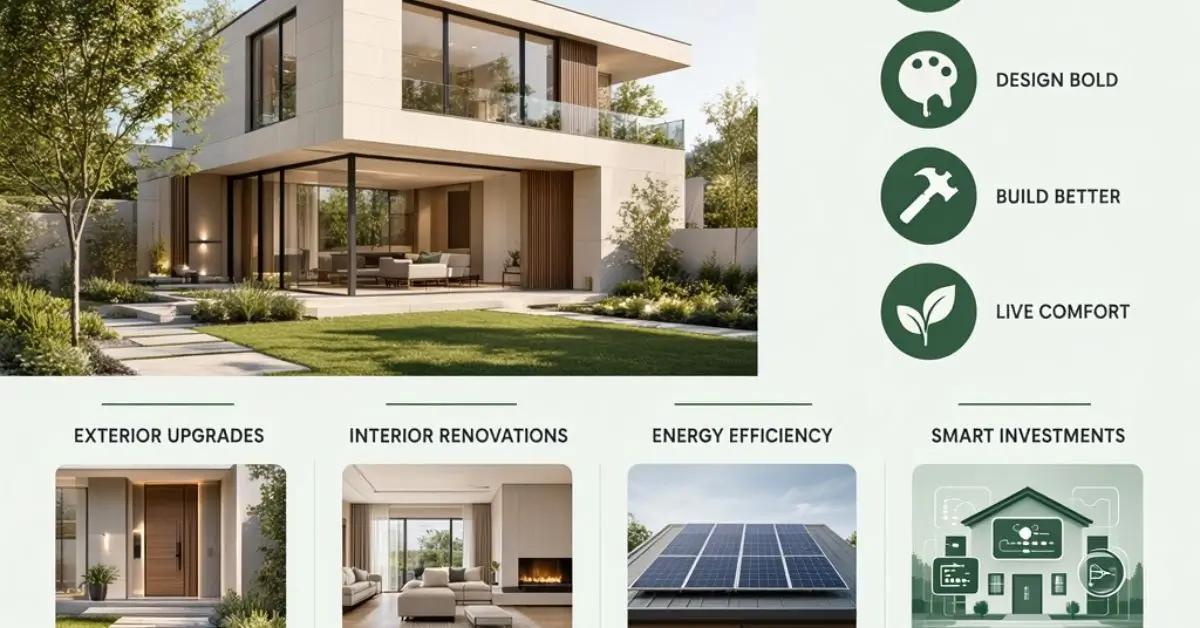
Home Upgrading Advice Mintpalment: A Complete Guide to Smarter Home Improvements
Most homeowners reach the same frustrating point at some stage. The house works fine, but it does not feel right. Maybe the kitchen feels outdated, the bathroom needs attention, or the living spaces just lack the warmth and function they should have.
The problem is not a shortage of ideas. The internet is full of home improvement inspiration. The real problem is knowing where to start, what actually adds value, and how to avoid spending money on upgrades that look good on screen but disappoint in real life.
That is exactly what this guide addresses. Drawing on the practical home upgrading advice Mintpalment is known for, this article walks you through the smartest improvements you can make, organized by area, budget, and impact level, so you can take action with confidence rather than guesswork.
Home upgrading advice from the Mintpalment approach refers to a practical, value-focused philosophy for improving residential spaces. Rather than chasing trends or making changes for aesthetics alone, this method prioritizes upgrades that deliver measurable improvements in comfort, function, energy efficiency, and long-term property value, helping homeowners make smarter decisions with their time and budget.
Quick Summary
The Mintpalment approach to home upgrading focuses on practical, high-impact improvements that deliver real value. This guide covers the best upgrades by room and category, how to prioritize your budget, and what mistakes to avoid, so every dollar you spend works harder.
Why Most Home Improvement Projects Underdeliver
Before getting into specific advice, it is worth understanding why so many home improvement projects fail to deliver the results people expect.
The most common mistake is starting with aesthetics before fixing function. A beautifully painted kitchen with poor storage and bad lighting will still frustrate you every morning. A renovated bathroom with persistent water pressure issues will still feel disappointing no matter how nice the tiles look.
The second most common mistake is scope creep. What starts as a simple bathroom refresh turns into a full gut renovation because one decision leads to another. Without a clear plan and budget boundary, costs spiral fast.
The Mintpalment home upgrading philosophy addresses both of these issues by starting with function, setting clear priorities, and making deliberate decisions rather than reactive ones.
Start Here: How to Prioritize Your Home Upgrades
Not every upgrade is equal. Some improvements deliver immediate comfort and long-term value. Others are largely cosmetic and deliver limited return. Knowing the difference before you spend is the most important thing this guide can teach you.
Use this framework to think through your upgrade priorities:
Fix what is broken first. Any upgrade built on top of an underlying problem will eventually fail. Leaky pipes, poor insulation, faulty wiring, and structural issues always come before cosmetic improvements. This is not exciting advice, but it is the most financially sound one.
Focus on high-use areas next. The kitchen, primary bathroom, and main living area are used every day. Improvements in these spaces deliver the highest frequency of return because you benefit from them constantly.
Consider resale value if relevant. If you plan to sell within five years, prioritize upgrades that appraisers and buyers respond to most: kitchen updates, bathroom improvements, curb appeal, and energy efficiency improvements.
Save trend-driven changes for last. Bold wallpaper, statement light fixtures, and fashionable color choices are fun but carry the highest risk of dating quickly. Do these last and with the smallest slice of your budget.
Kitchen Upgrades That Actually Make a Difference
The kitchen is consistently the room where smart upgrades deliver the highest return, both in daily quality of life and in property value.
Cabinet Refacing Instead of Full Replacement
Full cabinet replacement is expensive and disruptive. In many cases, refacing the existing cabinet boxes with new doors, drawer fronts, and hardware delivers 80% of the visual impact at roughly 40% of the cost.
A homeowner in suburban Chicago who spent $4,000 on cabinet refacing and new hardware reported their kitchen feeling completely transformed without the disruption or cost of a full renovation. That kind of result is realistic and repeatable.
Upgrade Countertops Strategically
If your countertops are damaged or genuinely outdated, replacing them adds meaningful value. Quartz is currently the most popular choice in the US market because it is durable, low-maintenance, and widely appealing to buyers.
If budget is tight, butcher block is a warm and attractive option at a significantly lower price point that works especially well in traditional or farmhouse-style kitchens.
Improve Task Lighting
Under-cabinet lighting is one of the most underrated kitchen upgrades available. It costs relatively little, installs quickly, and immediately improves the functionality and atmosphere of the space.
LED strip lighting under upper cabinets eliminates the shadows that make food preparation frustrating and makes the kitchen feel more finished and intentional.
Bathroom Improvements with High Impact
Bathrooms respond well to targeted upgrades because the space is small enough that even modest changes create noticeable results.
Replace Fixtures Before Anything Else
Old faucets, dated light fixtures, and worn towel bars are the first things visitors notice. Replacing these items is relatively inexpensive and requires no structural work, but the visual improvement is immediate and significant.
Matte black and brushed nickel are currently the most popular finishes in the US market and both photograph well, which matters if selling is on your horizon.
Regrout and Reseal Tile
Tile that is stained or has crumbling grout looks far worse than the tile itself warrants. Regrouting existing tile can make a bathroom look freshly renovated without the cost of retiling. Combined with a deep clean of the surfaces, this single step can transform how a bathroom feels.
Add Proper Ventilation
Poor bathroom ventilation causes moisture damage that leads to mold, peeling paint, and structural problems over time. Upgrading to a properly rated exhaust fan is a functional improvement that protects your investment in every other bathroom upgrade you make.
Living Areas: Creating Comfort and Character
Living spaces benefit most from improvements to light, flow, and atmosphere rather than structural changes.
Window Treatments Done Right
Curtains hung close to the ceiling and extending to the floor make any room feel taller and more finished. This is one of the most cost-effective improvements available because fabric and rods are relatively inexpensive but the visual impact is large.
Many people hang curtains too low and too narrow, which makes rooms feel smaller and ceilings feel lower. Simply rehinging existing curtains higher can change the feel of a room immediately.
Improve Your Flooring Strategically
Flooring is one of the most impactful upgrades in any home because it covers every square foot of every room. Replacing worn carpet in living areas with hardwood or quality laminate is consistently one of the top value-adding upgrades in the US residential market.
If full replacement is not in budget, deep professional cleaning of existing carpet and refinishing of existing hardwood floors delivers significant results at a fraction of replacement cost.
Paint: The Highest Return Upgrade Available
Fresh paint remains the single highest return improvement any homeowner can make. The material cost is low, the labor cost is manageable, and the transformation is immediate.
Warm neutral tones, soft whites, and earthy greens are consistently performing well in the current US market. They photograph well, appeal to the widest range of tastes, and make spaces feel clean and cared for.
Energy Efficiency Upgrades Worth Making
Energy improvements are unique because they deliver ongoing financial return through reduced utility bills, not just a one-time value addition.
| Upgrade | Approximate Cost | Annual Savings Potential | Notes |
|---|---|---|---|
| Programmable Thermostat | $25 – $250 | $100 – $180 | Easy DIY install, immediate impact |
| LED Lighting Throughout | $100 – $300 | $75 – $150 | Simple swap, long bulb lifespan |
| Attic Insulation | $1,500 – $3,000 | $200 – $600 | High impact in older homes |
| Weatherstripping Doors and Windows | $100 – $400 | $50 – $200 | Often overlooked, significant air loss fix |
| Low-Flow Fixtures | $50 – $300 | $50 – $150 | Water savings add up over time |
These numbers are realistic estimates based on US averages. Actual savings vary by home size, climate, and current utility rates, but the direction is consistent: energy upgrades pay back over time.
Curb Appeal: First Impressions That Add Real Value
The exterior of your home sets every visitor’s and potential buyer’s first impression. Small improvements here have outsized impact.
Fresh exterior paint or siding touch-ups, a new front door, updated house numbers, and well-maintained landscaping collectively communicate that a home is cared for. A well-kept front yard in a neighborhood like a typical suburban street in Atlanta or Toronto signals pride of ownership that buyers and appraisers notice and respond to.
A new front door is one of the top-ranked upgrades for return on investment in US real estate studies, consistently returning close to or above 100% of its cost in added perceived value.
Common Home Upgrading Mistakes to Avoid
Even with good intentions, certain home improvement decisions consistently cost more than they return.
Over-improving for the neighborhood. If you put a $60,000 kitchen in a home where comparable properties sell for $250,000, you will not recover that investment at sale. Improvements should be proportionate to the home’s market context.
Skipping permits for structural work. Unpermitted work creates legal and financial headaches at sale and can create genuine safety risks. Always pull the required permits for work that demands them.
DIY-ing work that requires a licensed professional. Electrical, plumbing, and structural work done incorrectly costs far more to fix than it would have cost to hire a professional originally. Know the limits of what is safe to do yourself.
Choosing materials based on looks alone. A beautiful but impractical material choice, like light-colored grout in a high-traffic kitchen, will frustrate you within months. Always balance aesthetics with real-world durability.
Conclusion
Smart home improvement is not about doing the most. It is about doing the right things in the right order with a clear understanding of what each project will actually deliver.
The home upgrading advice Mintpalment promotes is grounded in exactly that principle: function before aesthetics, impact before trend, and realistic budgeting before optimistic guessing. Whether you are preparing to sell, settling in for the long term, or simply trying to make your daily life at home more comfortable, these principles apply.
Start with one project. Plan it well. Execute it properly. Then build from there. A home that has been upgraded thoughtfully over time is almost always more satisfying than one that was rushed into a renovation it was not ready for.
Frequently Asked Questions
What is the Mintpalment approach to home upgrading?
Mintpalment focuses on practical upgrades that improve comfort, functionality, and home value while staying within budget.
What home upgrades add the most value?
Kitchen and bathroom updates, fresh paint, new flooring, and energy-efficient improvements typically offer the best return.
How do I prioritize home upgrades on a budget?
Fix essential issues first, then improve high-use areas like the kitchen and bathroom before cosmetic projects.
Which home improvements have the best ROI?
Minor kitchen remodels, bathroom updates, front doors, exterior paint, and insulation often provide the highest returns.
Should I hire a contractor or DIY?
DIY is suitable for painting and simple upgrades, while electrical, plumbing, HVAC, and structural work should be left to professionals.
How long do home improvement projects take?
Small projects may take a day or weekend, while kitchens usually require 4–8 weeks and bathrooms 2–4 weeks.